Africa is becoming an important source of cruise crew. South Africa leads the way, but candidates from Kenya, Zimbabwe, Namibia, Ghana, Nigeria, Mauritius, the Gambia and many other countries are also building careers at sea. The continent has young, English- and French-speaking talent and a growing hospitality sector – exactly what cruise lines need.
South Africa: the biggest pipeline
MSC Cruises announced in 2024 that it was on track to hire 2,000 South Africans as crew that year, with a target of 5,000 new South African hires by 2028. Its managing director in South Africa said that widely spoken English and a reputation for hard work make South African crew attractive. The company also set a goal of recruiting 70% of its South African crew from previously disadvantaged communities.
Recruitment for MSC runs through Shosholoza Ocean Academy, its exclusive recruitment, manning and training agency for South African citizens. Other established agencies in the country recruit for lines such as Viking and for several cruise companies at once. In other words, South African candidates have more official channels than anyone else on the continent – and fewer reasons to trust unknown recruiters.
East and Southern Africa
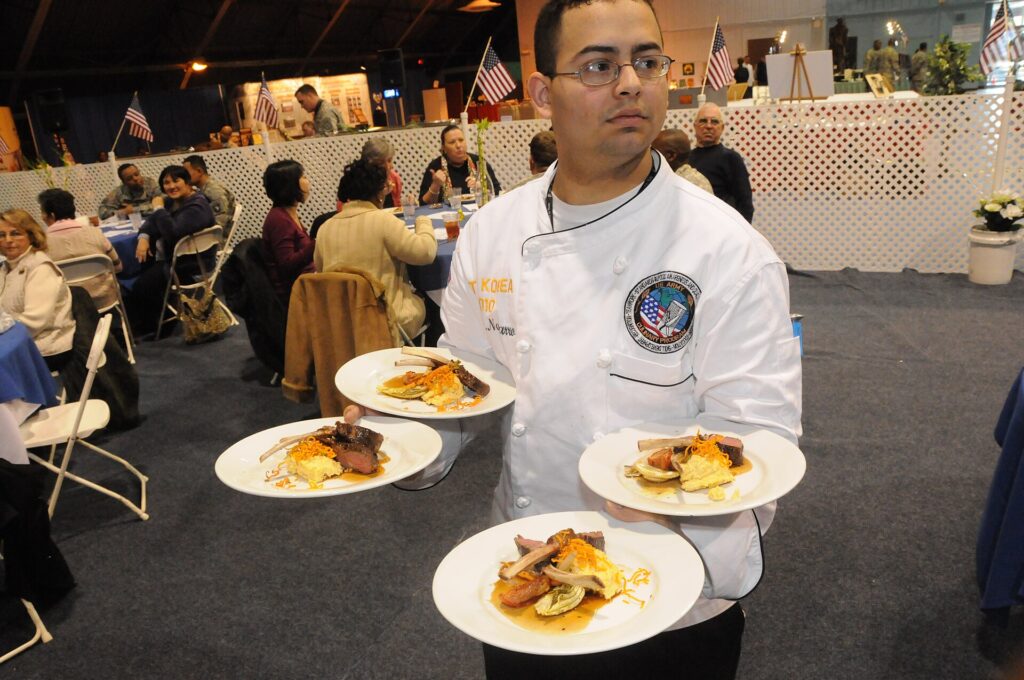
Recruiters active in the region regularly list Kenya, Zimbabwe, Namibia and Botswana among the countries they support, especially for hospitality, housekeeping and galley roles. Kenya’s coastal tourism around Mombasa and the safari lodge industry produce strong service profiles. Mauritius, with its luxury hotel sector, has also ratified the Maritime Labour Convention.
West Africa
Ghana and Nigeria are among the African countries that have ratified the Maritime Labour Convention, alongside Morocco, South Africa, Liberia, Gabon, Benin and Togo. In the Gambia, a local agency recruits crew for cruise lines and has publicly stated that applicants should not pay anyone to be hired. West Africa is also a region where fake cruise offers are common, so be extra careful and read our guide on how to spot cruise job scams.
Central Africa and French-speaking countries
For candidates from Senegal, Côte d’Ivoire, Cameroon, the DRC and other French-speaking countries, French is a strong asset on ships that carry French and Canadian guests. The Republic of the Congo, Gabon, Benin and Togo have all ratified the MLC, which gives seafarers the same core protections.
What employers look for
- English: clear spoken English is the first filter in every interview. Many employers use a standard test such as the Marlins test.
- Hospitality experience: one or two years in a hotel, restaurant, lodge or resort.
- Documents: a valid passport, STCW Basic Training and a seafarer’s medical – see our documents checklist.
- Attitude: flexibility, teamwork and the ability to live with people from 60+ nationalities.
The rules are the same everywhere
Wherever you live, cruise lines ask for the same things: STCW training, a seafarer’s medical, a passport and, for US itineraries, a C1/D visa. And wherever you live, the MLC principle is the same: you should not pay a recruitment fee to get a job.
Where OceanHire fits
We started in Morocco and are growing outward – North Africa first, then the rest of the continent. Create one profile, upload your CV and documents, and we match you with employers looking for your skills. Start with our guide to entry-level cruise ship jobs and see cruise ship jobs in Africa.