No one can work on a ship covered by the Maritime Labour Convention without a valid medical certificate showing they are fit for their duties at sea. For cruise ship candidates it is one of the key documents – and one of the most common reasons for delays. Here is what to expect.
Why a medical certificate is required
At sea, the nearest hospital can be days away and every crew member has emergency duties. The MLC and the STCW Convention therefore require seafarers to be examined by a qualified medical practitioner, following international guidelines developed by the ILO, the IMO and the WHO. The aim is to make sure you can do your job and your safety duties without risk to yourself or others.
What the exam usually covers
- Your medical history and a general physical examination.
- Eyesight, including colour vision where it matters for your job.
- Hearing.
- Blood pressure, heart and lungs.
- Often blood and urine tests, and in many cases a drug and alcohol screen.
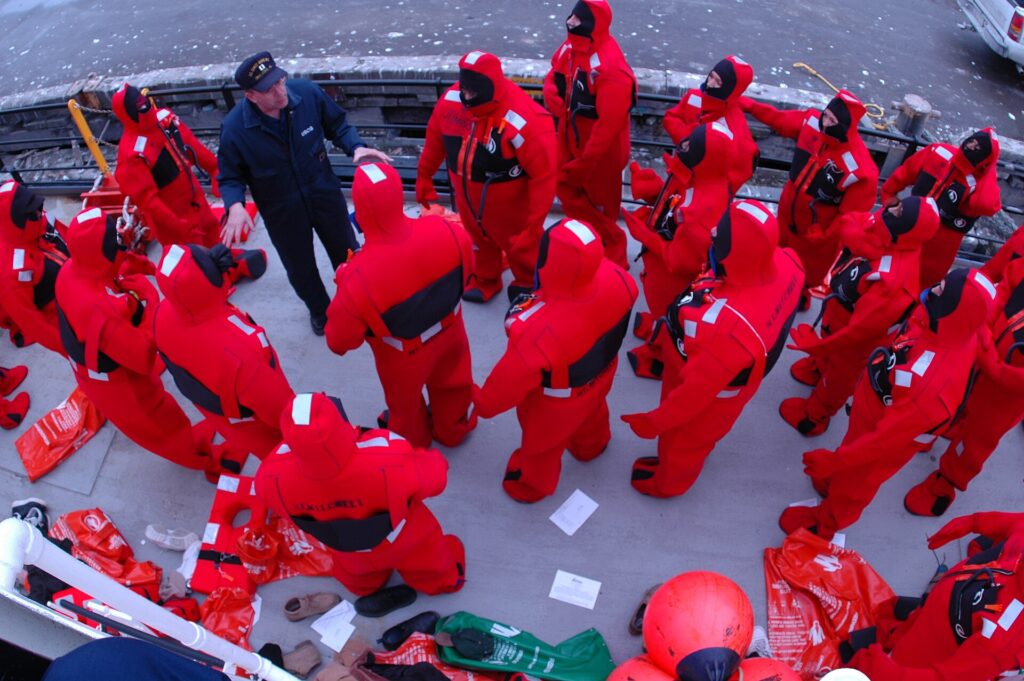
- Fitness for emergency duties such as using a ladder, carrying equipment and wearing a lifejacket.
Many cruise lines also ask for their own pre-employment medical (PEME) at an approved clinic, which may include extra tests, a chest X-ray, a dental check and proof of vaccinations. Always follow the instructions in your offer.
How long is it valid?
Under the MLC, a medical certificate is valid for a maximum of two years – one year for seafarers under 18 – and a colour vision certificate for up to six years. These are maximums: a doctor can set a shorter validity. If your certificate expires during a voyage, it remains valid until the next port where you can see a qualified doctor, for a maximum of three months.
What if you are found unfit?
If you are refused a certificate or given limitations, you have the right to a further examination by another independent doctor or medical referee. Many conditions do not stop you working at sea if they are well controlled – the doctor decides case by case.
How to prepare
- Visit a dentist beforehand – dental problems are a frequent reason for delays.
- Bring your glasses or contact lenses and your prescription.
- Bring a list of your medicines and any medical reports. Be honest: hiding a condition can lead to dismissal and puts you at risk.
- Ask whether you need to fast before blood tests.
- Sleep well and avoid alcohol before the exam.
- Check your vaccination record and ask which vaccines your employer requires.
Who pays?
The MLC says seafarers must not pay recruitment fees, but it allows them to pay for their own statutory medical certificate, passport and seaman’s book. Some employers reimburse or pay for medicals, so check your offer. For the full list of documents and their order, see our documents checklist.